
Table of Contents
- What Makes a High Quality Western Saddle
- How to Fit a Western Saddle to a Horse
- Roping Saddles: Built for Performance
- Barrel Racing Saddles: Speed and Security
- Ranch and All-Purpose Saddles
- Western Saddle Maintenance Tips
- Pricing and Value: What You're Paying For
- New vs. Used: Making the Right Choice
- Frequently Asked Questions
Last Updated: September 30, 2026
What Makes a High Quality Western Saddle
High quality western saddles combine superior materials, expert craftsmanship, and thoughtful design to deliver comfort and durability for both horse and rider. The difference between a saddle that lasts decades and one that fails within years comes down to three core factors: leather quality, tree construction, and attention to detail in every stitch.
The saddle tree is the internal structure that bears the weight of both rider and gear. A poorly constructed tree creates pressure points that lead to soreness and behavioral issues. The best trees use reinforced wood or fiberglass cores, backed by warranties reflecting the manufacturer's confidence in longevity.
Leather Quality and Construction
Full-grain leather develops character over time and becomes more supple with proper care. Roughout leather offers superior grip for athletic maneuvers like roping or barrel racing.
Double stitching and hand-tooled designs reinforce the leather and indicate quality craftsmanship. Look for consistent tooling patterns and clean borders.
A quality suede or roughout seat keeps you secure during high-speed turns; cheap saddles use thin leather that stretches and sags within months.
Tree Quality and Materials
Kevlar-reinforced wood trees and fiberglass-wrapped trees provide consistent performance. Hollow construction flexes under pressure, creating movement that fatigues horses and riders.
Tree fit comes in three standard types: regular, wide, and extra-wide. Choosing the correct fit prevents bridging (pressure points at front and back with a gap in the middle) or pinching at the gullet.
A lifetime warranty on the tree signals confidence. The Guthrie Roping Saddle by Circle Y, available at Lazy B Western Wear & Tack for $2,899, features a Kevlar-reinforced wood tree backed by exactly this kind of guarantee for roping use.

Durability Indicators
Stainless steel hardware resists rust and corrosion; painted hardware flakes and corrodes within a season.
Seven-eighths double dee rigging distributes cinch pressure evenly. In-skirt rigging eliminates bulk under your leg for closer contact, important for barrel racers and reiners.
A 27-inch skirt length with 15-inch drop provides maximum coverage and weight distribution. Shorter skirts concentrate pressure over a smaller area.
How to Fit a Western Saddle to a Horse
A poorly fitted saddle causes pain and can damage your horse's back permanently. The process requires measuring your horse's conformation and understanding how different saddle designs interact with different body types.
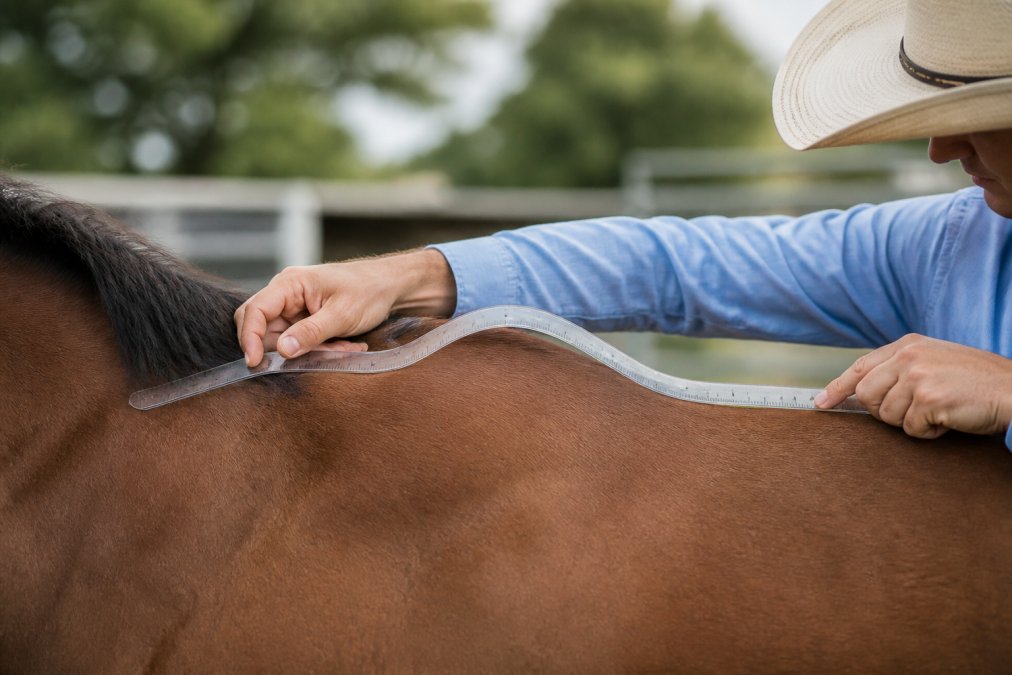
Measuring Your Horse's Conformation
Measure your horse's wither height and back width. A saddle that bridges, touching only the front and back while creating daylight under the middle, distributes pressure unevenly and causes soreness.
Most saddles require 4-6 inches of clearance from the front of the withers to the back of the saddle position. High-withered horses need a saddle with a higher gullet; low-withered horses can use lower gullets without pinching.
Quarter horse bars suit straighter shoulders; semi-quarter horse bars accommodate sloped shoulders. Matching the bar angle to your horse's shoulder prevents bridging and pressure points.
Seat Size and Saddle Fit for the Rider
A saddle that's too small cramps your position; too large leaves you unsupported during quick movements.
Most saddles come in 14-inch, 15-inch, 16-inch, and 17-inch sizes. A proper fit leaves 2-3 inches of space behind your seat when mounted. The Brisco Roping Saddle by Circle Y, priced at $3,399, comes in seat sizes from 14 to 17 inches.

Your leg should hang naturally under your hip. Highly adjustable fenders let you customize the angle for your body and riding style.
Checking Wither Clearance and Pressure Points
Run your hand under the saddle along the spine and sides. You should feel even contact with no gaps or high spots. A saddle that rocks side to side or tilts forward indicates poor fit.
The spine channel must clear your horse's spine completely. This prevents nerve damage and allows blood flow to supporting muscles.
Guthrie Roping Saddle by Circle Y →
Roping Saddles: Built for Performance
Roping saddles are engineered for one job: staying secure during explosive stops and directional changes when you're dallying a rope around the horn. The horn is built stronger and positioned lower than other western saddle types to handle the stress of a roped animal's weight.
A quality roping saddle has a reinforced horn with a 2.25-inch neck and 3-inch cap. The swell measures 13 inches for a secure seat base. The cantle is low and straight, typically 3.5 inches.
The Guthrie Roping Saddle by Circle Y features an all-roughout design with double-stitched black suede seat and mini snake border tooling. At $2,899, it represents the investment-grade option for serious ropers.
The 2769 Brisco Roping Saddle by Circle Y ($3,399) features hand-tooled box stamp and floral border work with a chocolate suede seat. The LTM fiberglass-reinforced tree is backed with a lifetime warranty for roping use. Both saddles come with matching flank cinches.
Barrel Racing Saddles: Speed and Security
Barrel racing demands a deep, forward-cut seat positioned over the horse's center of gravity. The cantle is typically 5-6 inches to anchor you during aggressive turns.
A quality barrel saddle weighs less than 25 pounds. The Royal King Hawley Barrel Saddle ($487) weighs 25 pounds with a lightweight rawhide-wrapped fiberglass tree and quarter horse bars. The deep fancy-stitched seat and short rounded skirt keep you balanced through barrel turns.
The Silver Royal Youth Serape Barrel Saddle ($499) combines functionality with woven wool serape detailing. In-skirt rigging eliminates bulk under your leg; roughout jockeys and fenders provide grip.
The High Horse Galaxy Barrel Saddle ($1,799) delivers a lightweight 21-pound construction with a 5-inch cantle. Cordura suede resists wear better than standard leather. Available in seat sizes from 12 to 17 inches.
Ranch and All-Purpose Saddles
Ranch saddles handle hours of riding across varied terrain while carrying gear and working cattle. The seat is deeper than barrel saddles but less specialized than roping saddles, making them versatile for multiple tasks.
The Silver Royal Bodie Hard Seat Ranch Saddle ($779) features a rawhide-wrapped fiberglass tree with mahogany rounded skirt and double stitching. Hand-carved basketweave and serpentine tooling provide durability. Roughout fenders and jockeys offer improved grip; drop D rigging and rear cinch keep everything secure.

The Royal King Pecos Saddle ($469) combines a lightweight design with a deep seat and high pommel.
Western Saddle Maintenance Tips
A quality saddle demands proper care to maintain its appearance and function. Neglecting maintenance accelerates deterioration and shortens the saddle's lifespan significantly.
Cleaning and Conditioning Leather
Clean your saddle after every few rides using a soft brush or cloth. Wipe down leather surfaces with a slightly damp cloth and allow to dry completely before storing.
Saddle Pad Compatibility and Longevity
A quality saddle pad absorbs sweat and distributes pressure evenly, protecting both saddle and horse. Cheap pads bunch up and create pressure points.
Pricing and Value: What You're Paying For
Western saddle prices range from under $500 to over $3,500, and the difference isn't just about aesthetics. You're paying for materials, construction quality, and the longevity that comes with each investment level.
| Saddle Type | Price Range | Best For | Key Differentiator |
|---|---|---|---|
| Entry-Level All-Purpose | $369-$499 | Trail riding, casual use | Lightweight, basic tooling |
| Mid-Range Ranch/Barrel | $487-$779 | Regular work and competition | Durable construction, quality leather |
| Premium Roping Saddles | $2,899-$3,399 | Serious ropers | Lifetime tree warranty, specialized design |
| Specialty/Treeless Options | $1,799-$3,399 | Horses hard to fit, close contact preference | Advanced materials, unique construction |
New vs. Used: Making the Right Choice
Buying a used saddle can save money, but it carries risks. A well-maintained used saddle from a trusted source is a legitimate option. A saddle with hidden damage is a liability.
Frequently Asked Questions
What features should I look for in a high quality western saddle?
Look for a reinforced saddle tree (Kevlar or fiberglass-reinforced wood), hand-tooled leather with consistent stitching, and a gullet width that matches your horse's conformation. Quality saddles feature roughout leather for grip, double-stitched seams, and hardware that won't corrode. Check that the seat is comfortable for extended riding and that the rigging position suits your discipline. A lifetime tree warranty signals manufacturer confidence in durability.
How do I know if a western saddle tree is high quality?
Premium saddle trees are constructed from Kevlar-reinforced wood or high-grade fiberglass-reinforced materials, not basic wood alone. They should come with a lifetime warranty for the tree itself, indicating structural integrity. The tree determines how weight distributes across your horse's back, so quality matters for both comfort and longevity. Inspect for consistent construction and ask about the specific tree type, LTM Kevlar-reinforced and DURAhide trees are industry standards for performance saddles.
How can I tell if a western saddle is authentic and not a knockoff?
Purchase from authorized retailers who stock saddles directly from established manufacturers. Authentic saddles come with documentation, warranty cards, and consistent branding. Inspect hardware, stitching, and leather quality, counterfeits often have uneven tooling, loose hardware, or poor leather finish. Check that the manufacturer's name is clearly marked on the saddle tree. Reputable brands often back their products with warranties and specific lead times for custom builds.
What's the difference between a roping saddle and a barrel racing saddle?
Roping saddles have a lower cantle (3.5 inches) and deeper seat for stability during the stop and pull. They feature a stronger horn designed to withstand rope pressure. Barrel racing saddles have a higher cantle (5-6 inches) for security during tight turns and quick acceleration. Barrel saddles use quarter horse bars and lighter weight designs for speed, while roping saddles prioritize strength and weight distribution for the rope work. Choose based on your primary discipline for optimal performance and saddle fit.